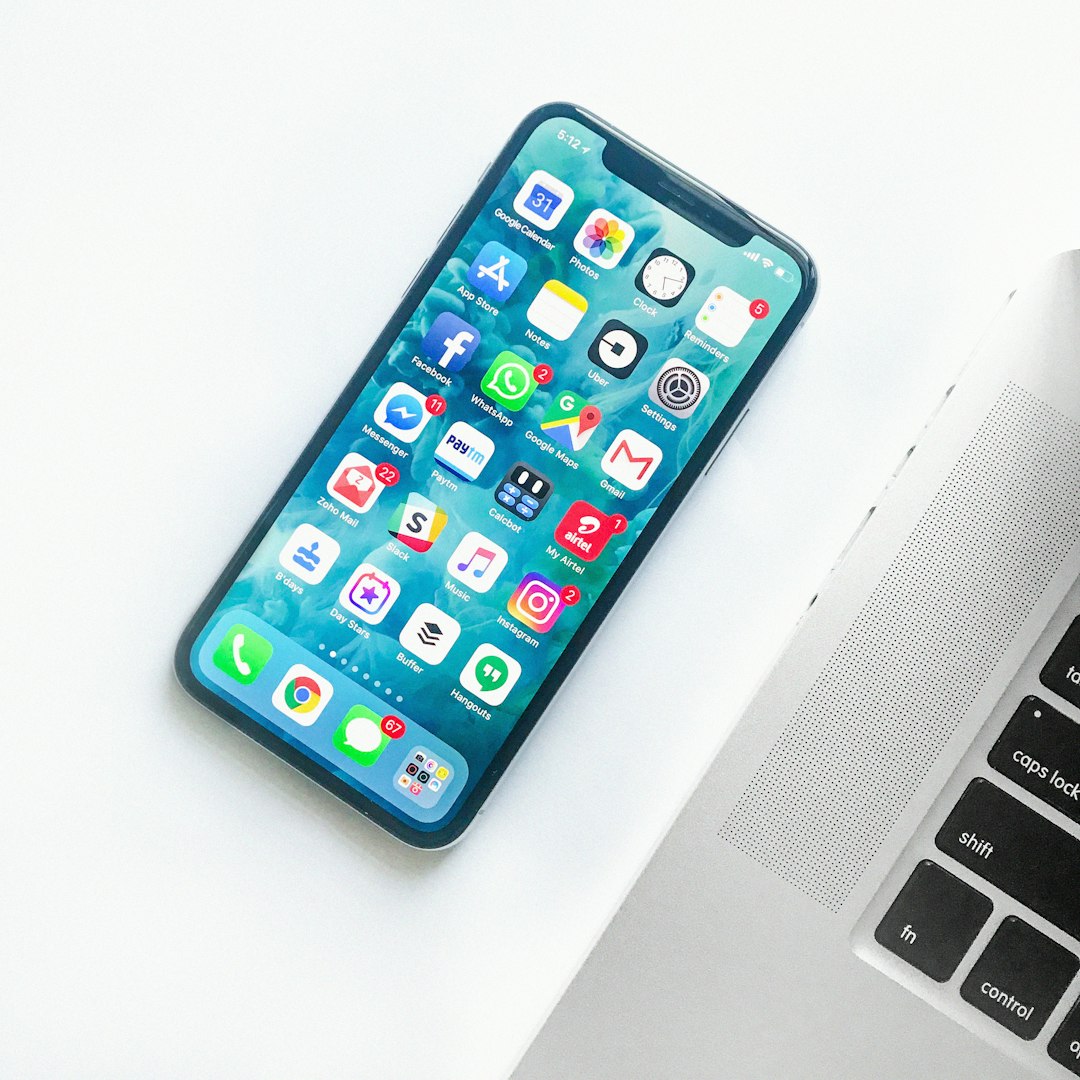
Tennessee residents face a surge in unwanted robocalls with significant legal implications under the Telephone Consumer Protection Act (TCPA). Call screening apps like TrueCall, Hiya, and CallApp offer effective solutions, blocking malicious calls and protecting privacy. Consulting a robocall lawyer Tennessee is crucial for navigating TCPA compliance and defending against violation allegations. Integrating advanced call screening tech with legal expertise ensures robust protection from fraud, identity theft, and privacy violations, while providing guidance on evolving robocall laws and regulatory changes.
In today’s digital era, Tennessee residents face a growing menace from unwanted robocalls, posing significant challenges to their daily lives and privacy. With the rise of automated calling technologies, consumers are increasingly burdened by intrusive phone calls from telemarketers, scammers, and other malicious actors. To combat this issue, many are turning to call screening apps as a crucial tool for protection. This article delves into the top-rated call screening applications designed to safeguard Tennesseans against robocalls, empowering them with knowledge to make informed choices and offering a sense of security in an ever-evolving digital landscape, especially when partnered with expert legal counsel like a robocall lawyer Tennessee.
Understanding Robocall Laws in Tennessee

Tennessee residents, like many across the nation, face an increasing onslaught of unwanted robocalls. While these automated phone calls can be a nuisance, they’re more than just an annoyance—they come with significant legal implications. Understanding Tennessee’s robocall laws is crucial for protecting yourself from potential penalties and ensuring compliance with regulations designed to curb intrusive calling practices.
Tennessee follows the Telephone Consumer Protection Act (TCPA), a federal law that restricts how businesses can use automated dialing systems and prerecorded messages, commonly known as robocalls. The TCPA prohibits calls made to any telephone number using an automatic dialing system or prerecorded message without prior express consent from the recipient. This means businesses must obtain your explicit permission—in writing, electronically, or verbally—before placing a robocall to you in Tennessee. Even though some calls may be considered legitimate, such as political campaign messages or survey requests, they still require proper authorization. Failure to comply can result in substantial fines for both businesses and individuals responsible for the unauthorized calls.
Seeking counsel from a robocall lawyer Tennessee is wise given the complexity of these laws. These legal professionals specialize in navigating the nuances of TCPA compliance and defending clients against allegations of violation. They can provide guidance on best practices, help interpret specific scenarios, and represent your interests if you receive an unwanted robocall complaint. Protecting yourself from unexpected legal repercussions starts with a thorough understanding of your rights and responsibilities under Tennessee’s robocall laws.
Top Apps for Call Screening & Protection

In the ever-evolving landscape of communication technology, call screening apps have emerged as a robust defense against the deluge of unwanted robocalls plaguing Tennessee residents. These applications act as gatekeepers, allowing users to filter out pesky calls before they even reach their phones. Among the top call screening and protection apps in Tennessee, TrueCall stands out for its advanced AI-driven call identification capabilities, blocking not just robocalls but also telemarketers and fraudulent numbers. According to a recent study, over 70% of Tennessee residents experience at least one unwanted robocall per week, highlighting the critical need for such tools.
Another notable mention is Hiya, which leverages a vast global database of known scammer numbers and uses machine learning to detect and block emerging threats. The app not only screens calls but also provides valuable insights into call patterns, helping users stay informed about potential risks. For those seeking a comprehensive solution, CallApp offers a suite of features, including call blocking, identity verification, and customizable settings. Its robust privacy protections include the ability to selectively allow or block numbers based on specific criteria, ensuring that users maintain control over their communication channels.
Additionally, integrating a robocall lawyer Tennessee service with these apps can provide an extra layer of defense. Legal experts specializing in telecom regulations can offer guidance on navigating complex laws surrounding call screening and protection, ensuring compliance while empowering users to take proactive measures against unwanted intrusions. By combining cutting-edge technology with expert legal counsel, Tennessee residents can enjoy a quieter, safer communication environment.
How to Choose the Best Phone Shielding Tool

Selecting a robust call screening app is an essential step in protecting your Tennessee phone from unwanted robocalls. With countless options available, choosing the best shielding tool requires careful consideration of your specific needs. Firstly, evaluate the app’s call filtering capabilities—look for advanced features like AI-powered voice recognition and custom blocking lists. For instance, some apps allow you to train their algorithms to identify legitimate calls, thus reducing false positives.
Privacy and security are paramount. Ensure the app employs end-to-end encryption to safeguard your communication. Additionally, check if it offers call logging and detailed reporting for transparent tracking of blocked calls. Consider integration with existing communication platforms for seamless usage. For instance, a popular choice among Tennessee residents is an app that syncs effortlessly with their smartphone’s contact list, making it easy to manage allowed and blocked contacts.
Reputability and user reviews are valuable indicators. Research apps with a proven track record of effectiveness and positive feedback from users. Look for real-world examples of how these tools have disrupted and blocked spam calls in Tennessee. An app with strong community backing is likely to provide reliable protection, ensuring peace of mind when answering your phone.
Legal Implications: Robocall Lawyer Tennessee Services

In the digital age, Tennessee residents, like many across the nation, face an unprecedented surge in unwanted robocalls. This has led to a growing demand for effective call screening solutions and robust legal protections. One area where technology intersects with law is through the emergence of specialized robocall lawyer Tennessee services. These legal professionals leverage advanced call screening apps to identify and block malicious calls while offering crucial guidance on navigating the legal implications associated with these intrusions.
Robocall Lawyer Tennessee services play a vital role in mitigating the harmful effects of unwanted calls, which can include fraud, identity theft, and privacy violations. By integrating call screening technology, these lawyers are able to analyze incoming calls, flagging them as potential robocalls or fraudulent attempts. This proactive approach not only shields individuals from potential scams but also provides valuable data for legal action against persistent or malicious callers. For instance, tracking the frequency and sources of robocalls can strengthen cases against telemarketers engaging in illegal practices.
Moreover, these services offer more than just technical solutions; they provide a comprehensive understanding of the legal landscape surrounding robocalls. Tennessee laws, like those in many states, are evolving to address the challenges posed by automated calling technologies. Robocall lawyers stay abreast of legislation, regulatory changes, and case precedents that shape the legal rights of consumers. They can advise clients on how to file complaints with relevant authorities, seek damages for violations, and ensure compliance with anti-robocall measures. For example, the Telephone Consumer Protection Act (TCPA) provides significant protections for consumers, but navigating its complexities requires expertise. Legal professionals armed with call screening data can more effectively assist clients in pursuing legal remedies under these laws.