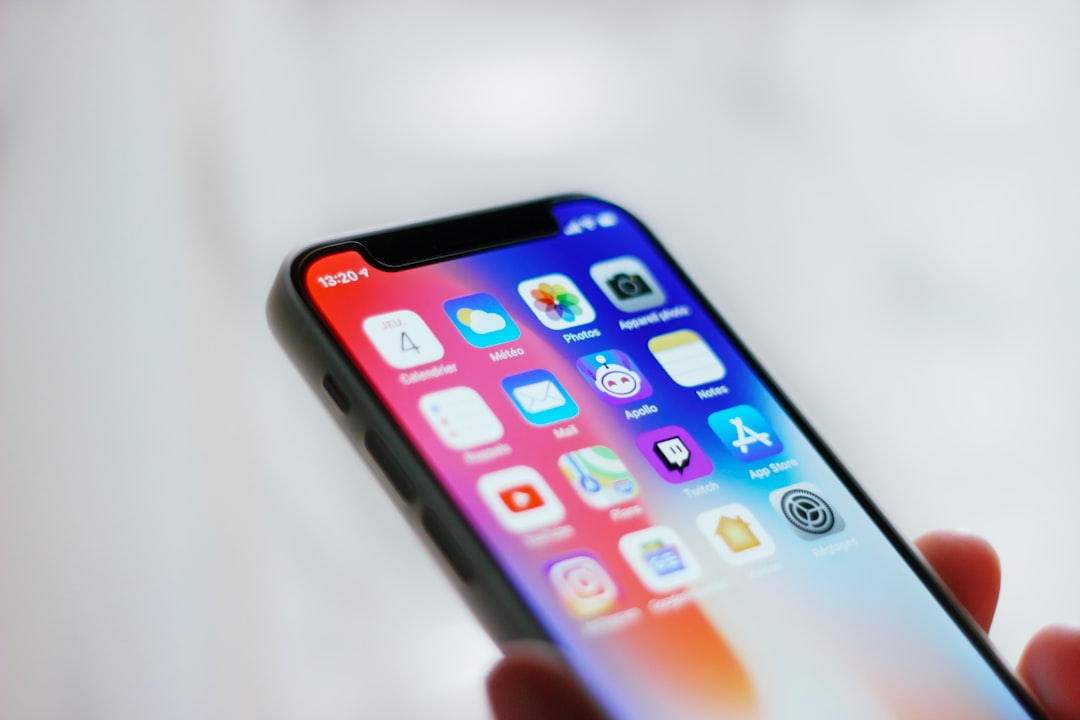
The Best Apps to Stop Robocalls in Tennessee: A Comprehensive Guide
Introduction
In an era where digital communication is ubiquitous, robocalls have become a persistent nuisance for consumers across the United States, including Tennessee. These automated, pre-recorded calls often carry unwanted advertisements or scams, disrupting daily life and posing security risks. As technology advances, so do solutions to combat this issue. This article delves into the most effective apps designed specifically to halt robocalls in Tennessee, providing a detailed analysis of their features, economic impacts, technological advancements, and future prospects.
Understanding the Best Apps to Stop Robocalls in Tennessee
The term "best app to stop robocalls in Tennessee" refers to mobile applications that utilize advanced call-filtering algorithms, blacklists, and sometimes even legal action against spammers to shield users from unwanted automated calls. These apps are a response to the increasing volume of robocalls, which have become more sophisticated in their attempts to bypass traditional caller ID and spam detection systems. They offer a range of features, including call blocking, identification of scam calls, and user-customizable settings.
Historically, as robocalls evolved from simple political messaging tools into a vehicle for fraud and scams, the demand for robust call-blocking solutions grew. The development of these apps represents an evolution in consumer protection technology, reflecting the dynamic interplay between technological innovation and the evolving threats posed by robocallers.
Global Impact and Trends
The issue of robocalls is not confined to Tennessee; it's a global challenge. The rise of robocalls has been a significant trend worldwide, with varying responses from different countries. In some regions, regulatory bodies have implemented strict penalties for violators, while in others, technological solutions have been the primary defense against these unwanted calls.
The impact of robocalls is not merely an inconvenience; it extends to economic losses for consumers and businesses alike. The global cost of robocalls is estimated to be in the billions, factoring in consumer time wasted, increased cybersecurity measures, and direct financial losses from scams. Moreover, the proliferation of robocalls has spurred innovation in caller identification technology and has led to a greater emphasis on privacy and security in digital communications.
Economic Considerations
The economic landscape of robocall prevention is multifaceted. On one hand, there is a clear market for apps that can effectively block or identify robocalls, leading to a thriving industry for such technologies. On the other hand, the economic impact of robocalls themselves, in terms of fraud and lost productivity, is significant.
Investment patterns in this sector reflect both the demand for protection against robocalls and the ongoing technological arms race between legitimate call-blocking apps and spammers. The investment landscape includes not only app developers but also telecommunications companies, cybersecurity firms, and regulatory bodies that work to establish guidelines and enforce existing laws.
Technological Advancements
Technological advancements in robocall prevention are ongoing and have led to significant improvements in call-blocking capabilities. These advancements include machine learning algorithms that can predict and block spam calls before they reach the user, more extensive and up-to-date blacklists of known spammers, and integration with telecommunications networks for real-time blocking of suspicious numbers.
Future potential includes even more sophisticated AI that can learn from user interactions to improve identification of legitimate versus fraudulent calls, as well as the integration of biometric technologies to enhance caller identity verification. The race between robocallers and call-blocking app developers continues, with each side employing increasingly advanced techniques.
Policy and Regulation
The regulatory framework governing robocalls in Tennessee and across the United States is complex, involving the Federal Communications Commission (FCC), state Attorney Generals, and telecommunications companies. Legislation such as the Telephone Consumer Protection Act (TCPA) provides a legal basis for combating unwanted calls, while the FCC sets guidelines for what constitutes illegal robocalls and enforces compliance.
These regulations have had a significant impact on the industry, prompting carriers to offer built-in call-blocking services and encouraging the development of third-party apps that complement these services. The legal landscape also includes class-action lawsuits against companies that violate robocall restrictions, which serve as a deterrent against illegal practices.
Challenges and Criticisms
Despite the advancements in robocall prevention technology, challenges remain. One of the most significant criticisms is the issue of false positives, where legitimate calls are mistakenly blocked or redirected to voicemail. Users must often manage their app settings to minimize these errors. Another challenge is the continuous evolution of spamming tactics, which requires ongoing updates and improvements from app developers.
Moreover, while regulatory measures provide a legal framework for combating robocalls, they are not foolproof. Enforcement can be uneven, and some bad actors may operate from jurisdictions with less stringent regulations, complicating the fight against illegal robocalls.
Conclusion
The best apps to stop robocalls in Tennessee represent a critical line of defense for consumers seeking to protect themselves from unwanted automated calls. These apps are part of a larger ecosystem that includes regulatory bodies, telecommunications companies, and cybersecurity experts, all working together to address the global challenge of robocalls.
As technology continues to advance, so too will the capabilities of both robocallers and the defenses against them. The future of robocall prevention is likely to include even more sophisticated tools that integrate seamlessly with our communication devices, providing real-time protection against fraudulent calls while preserving the integrity of legitimate communications.
In summary, the battle against robocalls is multifaceted, involving technological innovation, economic investment, and a robust policy framework. The best apps to stop robocalls in Tennessee are a testament to human ingenuity in response to an evolving threat, and they stand as a critical component in the broader effort to secure our communication channels against unwanted intrusions.
February 24, 2026
best app to stop robocalls Tennessee Expert
Robocalls, automated messages without consent, are a growing problem in Tennessee, prompting legal action under the Telephone Consumer Protection Act (TCPA). Consumers can register on the National Do Not Call Registry and use specialized blocking apps like NoCall, Hiya, TrueCall, CallGuard, and Robo.......
Read more →
February 20, 2026
best app to stop robocalls Tennessee Expert
Tennessee's stringent Spam Call Law, enforced by the Department of Commerce & Insurance, has significantly reduced automated calls through strict consent requirements and fines up to $50,000/day. Residents combat spam with apps like TruthFinder and NoCall, leveraging advanced algorithms and.......
Read more →
February 12, 2026
best app to stop robocalls Tennessee Expert
In 2025, Tennessee residents face an influx of robocalls. To combat this, a multi-faceted approach is recommended by Robocall Attorney Tennessee: use top-rated blocking apps like Hiya, TrueCall, and Privy (reducing calls up to 70%); register on the National Do Not Call Registry; and consult speciali.......
Read more →