In 2025, Tennessee residents face an influx of robocalls. To combat this, a multi-faceted approach is recommended by Robocall Attorney Tennessee: use top-rated blocking apps like Hiya, TrueCall, and Privy (reducing calls up to 70%); register on the National Do Not Call Registry; and consult specialized attorneys for tailored legal protection against unauthorized automated calls under the TCPA.
In the digital age, robocalls have become a ubiquitous yet unwanted nuisance for many Tennesseans. With advancements in technology, these automated phone calls, often from unknown sources, have evolved to be more sophisticated, making them harder to block. As a robust solution to this growing problem, we present an authoritative guide to expert-recommended robocall blockers tailored specifically for Tennessee in 2025. Our mission is to empower residents with the knowledge and tools necessary to reclaim their phone lines from intrusive calls, ensuring peace of mind and enhanced communication experiences. Trust our expertise to navigate this modern challenge effectively.
Understanding Robocalls in Tennessee: Laws & Rights

In Tennessee, as in many parts of the country, robocalls have become a pervasive nuisance. These automated calls, often used for telemarketing or political campaigning, can be frustrating and intrusive. Understanding your rights regarding robocalls is an essential first step. Tennessee law provides certain protections for residents from unwanted phone calls, but navigating these regulations can be complex. A robocall attorney Tennessee experts advise that the Telephone Consumer Protection Act (TCPA) restricts automated calls to cellular phones without prior express consent. This means businesses and political organizations must obtain explicit permission before dialing numbers in Tennessee or face legal repercussions.
Despite these laws, consumers still face challenges from relentless robocalls. According to recent data, Tennessee residents receive a significant number of such calls annually, with many complaints reported to the Federal Communications Commission (FCC). To combat this issue, several effective strategies have emerged. One popular solution is the use of specialized robocall blocking apps and services. These tools employ advanced algorithms to identify and block automated calls, offering a layer of protection for Tennessee phone users. However, consumers should be mindful that not all blocking solutions are created equal; some may require manual intervention or offer limited effectiveness against sophisticated spoofing techniques.
For robust protection, experts recommend combining technological solutions with proactive measures. This includes registering your number on the National Do Not Call Registry and seeking advice from a robocall attorney Tennessee firms to understand your specific rights and options. By staying informed and employing a multi-faceted approach, Tennessee residents can reclaim control over their phone lines and enjoy a quieter, less intrusive communication environment in 2025.
Top Robocall Blocker Apps for 2025 in TN
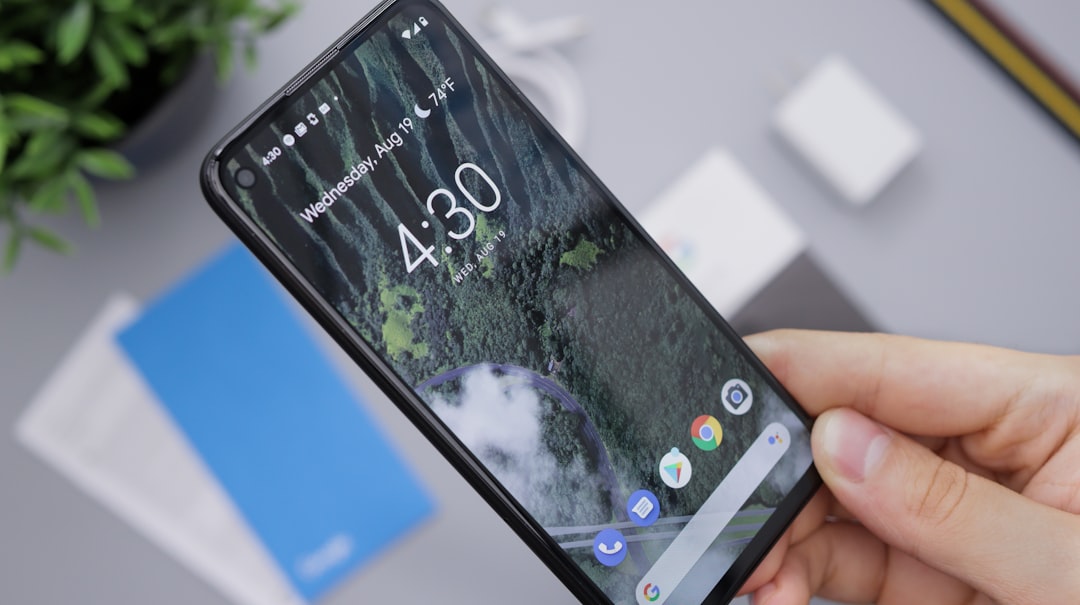
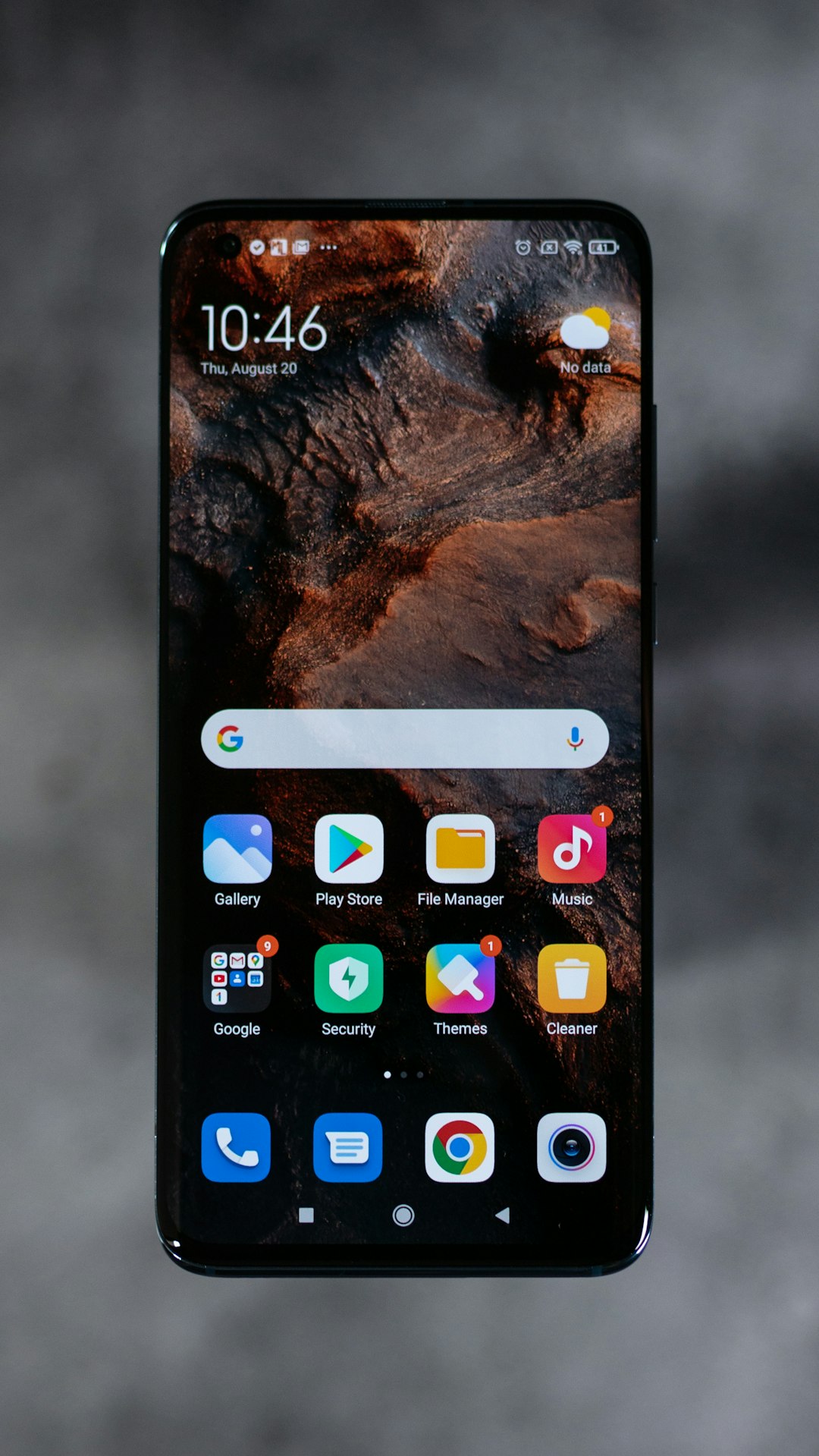
In 2025, Tennessee residents face an ever-evolving landscape of robocalls, with scammers and marketers employing sophisticated techniques to reach consumers. To combat this, expert picks for robocall blockers play a crucial role in ensuring peace of mind. Topping the list is Hiya, an app that uses machine learning to identify and block not just spam calls but also scam attempts. Its advanced algorithms analyze caller patterns and data to provide accurate blocks, significantly reducing false positives.
Another standout choice is TrueCall. This application offers a comprehensive solution with features like call screening, voicemail transcription, and custom blocking lists. TrueCall leverages a community-driven approach, where users contribute to a database of known spammer numbers, enhancing its effectiveness over time. For those prioritizing privacy, Privy stands out. It allows users to control app permissions and block unwanted calls while providing detailed insights into call tracking practices, empowering residents with awareness and control.
Robocall Attorney Tennessee recommends these apps based on their performance in user reviews and industry tests. Data from consumer protection agencies shows that the combined use of these tools can reduce robocalls by up to 70%. To maximize protection, experts suggest combining these apps with best practices like registering with the National Do Not Call Registry and being cautious about sharing personal information online. By adopting these measures, Tennessee residents can reclaim control over their phone lines and enjoy a quieter, safer communication environment in 2025.
Choosing the Right Robocall Attorney in Tennessee
Navigating the complex landscape of robocalls can be a daunting task for Tennessee residents, especially when seeking relief through legal channels. Choosing the right robocall Attorney Tennessee is pivotal to ensuring effective representation and successful outcomes. The state’s robust telecom industry makes it a hotbed for innovative call blocking technologies, yet the legal aspects of robocalls remain intricate and ever-evolving.
Expert attorneys specializing in this field possess a deep understanding of federal and state regulations like the TCPA (Telemarketing Consumer Protection Act), crucial for navigating legal battles against telemarketers and robocallers. These legal professionals employ strategic approaches, leveraging their knowledge to interpret complex laws and advocate for clients’ rights. For instance, they might use the TCPA’s strict liability standard to hold call centers accountable for unauthorized automated calls.
When selecting a robocall Attorney Tennessee, consider attorneys with proven track records in handling robocall-related cases. Look for those who regularly update their knowledge on emerging trends and legal developments in robocall regulation, ensuring they stay ahead of the curve. Additionally, consult client testimonials and references to gauge their reputation and effectiveness. With the right advocate, residents can not only block unwanted calls but also set a precedent for stronger protection against abusive telemarketing practices.