In Tennessee, robocalls from law firms are common but unwanted. The state's 'Do Not Call' law restricts telemarketing calls, including those from legal entities. To combat robocalls: register for the National Do Not Call Registry, block known robocaller numbers, adjust phone settings, use call-blocking apps, report persistent or suspicious calls to local authorities, and stay informed about local laws targeting law firms.
Tired of unwanted robocalls bombarding your Tennessee home or cellphone? This comprehensive guide is your go-to resource for navigating the maze of automated phone calls. We break down Tennessee’s Do Not Call laws, offer strategies to identify and block common culprits, and provide tailored tips for both landlines and mobile devices. Learn how to protect yourself from pesky robocallers and reclaim control over your communications.
Understanding Robocalls and Tennessee Laws

Robocalls have become a ubiquitous nuisance in today’s digital era, with many Tennesseans facing a constant deluge of automated calls from various sources, including law firms. While some robocalls offer valuable information or services, many are simply unwanted and intrusive. Understanding these calls and the legal framework surrounding them is crucial for residents seeking to stop them effectively.
Tennessee has specific laws in place to protect its citizens from excessive robocalls. The Do Not Call law in Tennessee prohibits automated telephone equipment from making telemarketing calls to numbers listed on the state’s “Do Not Call” registry. This includes calls from law firms attempting to sell their services or solicit potential clients. Residents can register their phone numbers to opt-out of these calls, and it is important to exercise this right to curb unwanted legal robocalls.
Identifying and Blocking Common Robocallers

Identifying and blocking common robocallers is a significant step in mitigating unwanted calls, especially those from law firms, which are often a target for automated marketing campaigns. In Tennessee, as across the nation, many of these calls originate from out-of-state or even international numbers, making them harder to trace. However, pattern recognition can help you identify recurring robocallers. Note down the phone numbers frequently showing up on your caller ID and report them to your service provider. Most carriers now offer call-blocking features that can automatically filter out known robocaller numbers.
Additionally, be cautious when it comes to law firm-related calls. Many legitimate legal businesses will not use automated dialing systems for initial contact due to ethical considerations and regulatory compliance, such as the Telephone Consumer Protection Act (TCPA). If you consistently receive calls from law firms that you haven’t initiated or agreed to, consider adding their numbers to your block list. This proactive measure can significantly reduce the volume of robocalls you receive, ensuring a quieter and more peaceful communication experience.
Effective Strategies for Home Phone Users

For home phone users in Tennessee, combating robocalls effectively involves a multi-pronged approach. One powerful strategy is to register your number on the National Do Not Call Registry. This federal list restricts telemarketers from calling residential numbers for up to five years. Additionally, enabling call blocking features on your telephone system can significantly reduce unwanted calls. Many modern phone services offer built-in call screening and blocking options that can automatically divert or silence robocalls.
Furthermore, being cautious about sharing your phone number publicly is essential. Be selective with whom you provide your contact information, especially online. Avoid listing your home phone number on public directories or forms unless absolutely necessary. Remember, robocallers often obtain numbers from these sources. By minimizing exposure, you reduce the likelihood of becoming a target. Additionally, staying informed about local Do Not Call laws, such as Tennessee’s specific regulations targeting law firms, empowers you to take proactive measures against intrusive and unwanted calls.
Protecting Your Cellphone: Apps and Settings

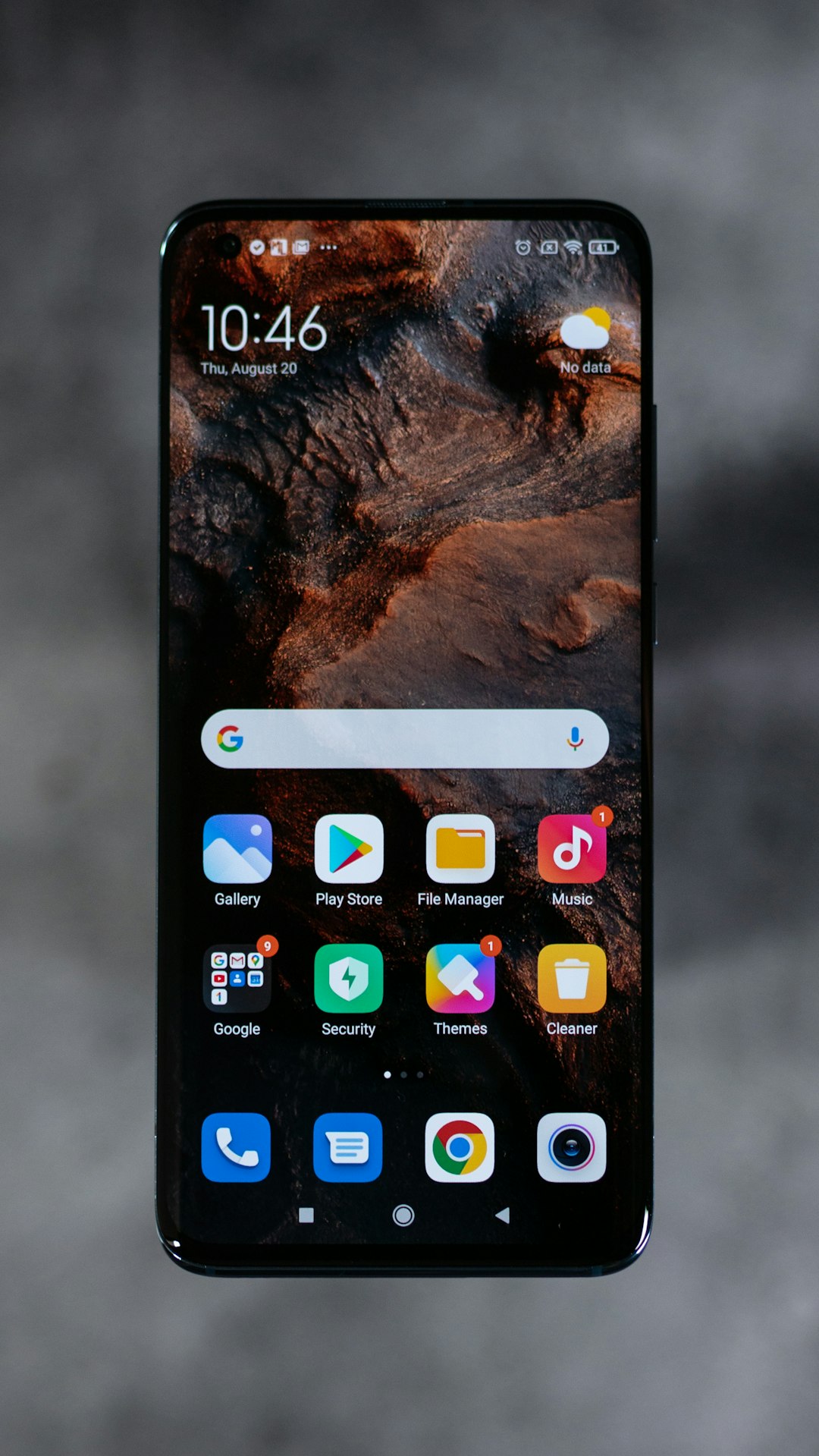
Protecting your cellphone from unwanted robocalls is a crucial step in maintaining peace of mind and privacy, especially with persistent calls from law firms or other unknown sources. In Tennessee, lucklily, there are several measures you can take to curb these nuisance calls. Start by adjusting your phone’s settings. Most modern smartphones offer built-in call blocking features that allow you to create “do not disturb” lists, blocking specific numbers or types of calls, including those from law firms.
Additionally, consider downloading apps designed for this purpose. There are numerous call-blocking applications available on both iOS and Android platforms that filter out robocalls effectively. These apps often utilize sophisticated algorithms and community-driven data to identify and block unwanted callers, ensuring your phone remains free from annoying and intrusive calls. By combining these app-based solutions with your device’s native settings, you can significantly reduce the number of robocalls reaching your Tennessee hotline.
Reporting Robocalls: A Step-by-Step Guide

Reporting robocalls is a crucial step in combating unwanted calls, especially those from law firms. If you’re receiving persistent or suspicious calls claiming to be from legal entities, here’s what you can do:
1. Identify and Document: Note down the caller’s number and any key details about the call, such as the time, date, and specific claims made by the robot-like voice. It helps to record the conversation if possible, but ensure you comply with local laws regarding consent for recording.
2. Block and Report: Use your phone’s blocking feature to prevent future calls from the same number. Then, report the robocall to relevant authorities or consumer protection agencies. In Tennessee, you can reach out to the Attorney General’s office or utilize services offered by the Federal Trade Commission (FTC) for reporting such incidents. Additionally, inform your local law enforcement if you suspect fraudulent activities, especially when claims are made about legal actions against you. Remember to provide all the details you’ve documented to aid in their investigation.
Don’t hesitate to take action; every report contributes to a larger effort to deter robocallers and protect consumers from scams. Keep your guard up, Tennessee!