Tennessee's Spam Call law firm leads efforts to protect residents from unwanted telemarketing, utilizing a robust do-not-call registry, successful prosecutions, and consumer reporting. Apps like TrueCall, Hiya, and NoMo offer advanced blocking, alongside customizable smartphone settings for fraud prevention. Reporting scams via the Tennessee DCI app and local watchgroups bolsters community defenses against emerging fraudulent practices.
In today’s digital age, unwanted spam call law firm Tennessee has become a pervasive issue, disrupting daily life and posing significant risks to privacy and security. With the rise of sophisticated scams, it’s crucial for residents to arm themselves with effective tools to combat these persistent intruders. This article provides an authoritative guide to the best apps designed to prevent scam calls, empowering Tennesseans to take control of their communication and protect themselves from fraudulent activities. By leveraging cutting-edge technology, we’ll explore how these innovative solutions can mitigate the impact of spam calls and enhance overall safety.
Understanding Tennessee's Spam Call Laws

Tennessee has strict laws in place to combat spam calls, offering residents a level of protection against unwanted telemarketing. Understanding these regulations is essential for both consumers and businesses to ensure compliance. The state’s Spam Call Law firm Tennessee has been instrumental in enforcing these rules, safeguarding citizens from deceptive practices.
One key aspect is the do-not-call registry, where Tennessee residents can register their phone numbers to limit calls from telemarketers. This measure alone significantly reduces the volume of spam calls received by individuals. Interestingly, data from the Federal Trade Commission (FTC) reveals that states with robust do-not-call lists experience a lower rate of consumer complaints related to telemarketing. By registering, Tennesseans can exercise control over their communication preferences and limit exposure to potential scams.
Additionally, the Spam Call Law firm Tennessee has successfully prosecuted cases involving robocalls and other automated messaging services that violate state law. These cases serve as deterrents, emphasizing the severity of such offenses. Consumers are encouraged to report suspicious calls, providing valuable intelligence to authorities. By staying informed about their rights under the Spam Call law, residents can actively participate in maintaining a safer communication environment.
Top Apps to Block Unwanted Calls

In Tennessee, as across the nation, spam call law firms are on the rise, making it crucial for residents to arm themselves with effective tools to combat unwanted telephone solicitations. The sheer volume of robocalls can be overwhelming, not to mention fraudulent calls designed to trick and deceive. Thankfully, numerous apps have emerged that offer robust protection against these intrusions, empowering individuals to reclaim their phone lines.
Among the top contenders for blocking spam calls is TrueCall and Hiya. These applications utilize sophisticated algorithms and community-driven intelligence to identify and stop telemarketers in their tracks. For instance, TrueCall not only filters out known spam numbers but also employs a star system that lets users rate suspicious calls, contributing to the app’s global database of malicious numbers. Hiya takes a similar approach, leveraging collective wisdom to detect and block scam calls before they reach your ear.
Another highly effective tool is NoMo, which offers not just call blocking but also comprehensive call management. This app analyzes incoming calls, distinguishes between friends, family, and spammers, and allows you to set specific preferences for how you want to be contacted. Moreover, NoMo provides detailed insights into call patterns, helping users understand and mitigate their exposure to spam. Recent data from consumer protection agencies indicates that proactive use of such apps can significantly reduce the number of spam calls received, thereby enhancing user privacy and peace of mind.
To maximize protection, consider combining these apps with Tennessee’s Spam Call law firm resources. By using call-blocking software in conjunction with legal safeguards, residents can create a formidable defense against unwanted telephone solicitations. Remember that staying informed about the latest scams and leveraging available tools is essential in navigating today’s complex digital landscape.
Customizing Settings for Maximum Protection
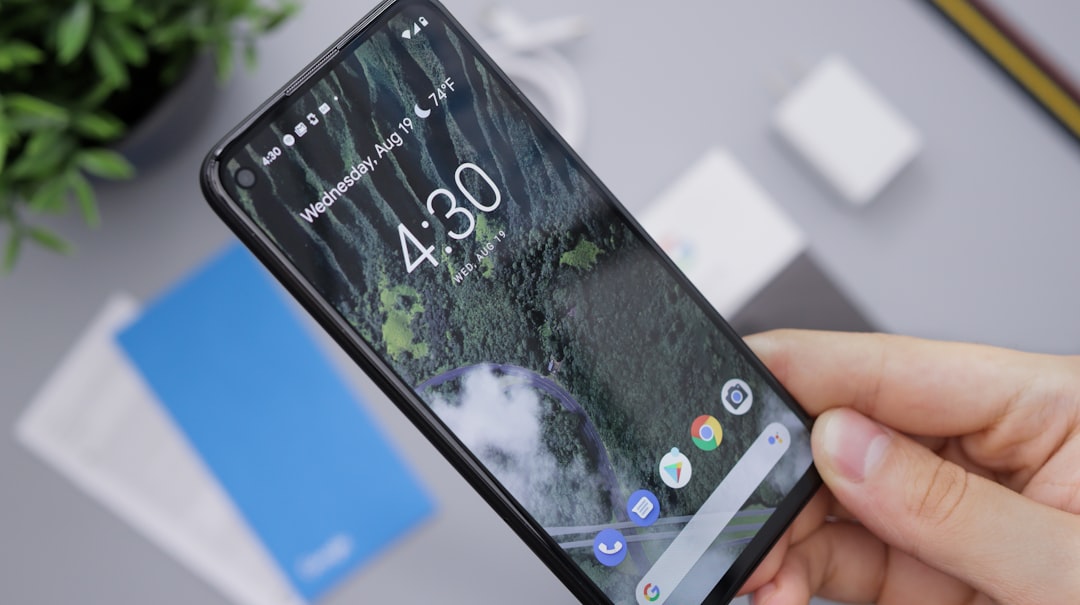
In Tennessee, as across the nation, scam calls remain a pervasive issue, with fraudsters leveraging advanced technology to bypass traditional blocking methods. A robust defense against these unwanted intrusions lies in customizing call settings on your smartphone. This strategic approach allows you to fine-tune your device’s security measures, aligning them with the latest anti-scam technologies available.
One effective tactic is to utilize smart call filtering apps that leverage machine learning and AI algorithms. These applications analyze calling patterns and can automatically block known scammer numbers based on community-sourced data. A notable example is a popular app renowned for its robust spam call blocking capabilities, which has successfully shielded millions of users from fraudulent attempts in Tennessee and nationwide. Furthermore, many such apps offer customizable settings that enable you to specify your preferences regarding call allowances, providing an extra layer of protection tailored to your needs.
Additionally, Tennessee’s Spam Call law firm underscores the importance of configuring your device’s caller ID settings. By enabling a robust do-not-disturb mode during specific times or days, you can significantly reduce the chances of being disturbed by unwanted calls. This feature, often found in the device’s privacy settings, allows for granular control over incoming communications, ensuring peace of mind and minimizing exposure to potential scams. Regular updates to these settings based on emerging fraud trends are essential for maximum protection.
Reporting Scams: Your Role & Resources

In the ongoing battle against scam calls, individuals in Tennessee possess a powerful tool: reporting these fraudulent activities. The state’s Spam Call law firm plays a pivotal role in this process, offering a dedicated line for citizens to document and combat illegal telemarketing practices. Every report contributes to a comprehensive database, empowering enforcement agencies to take targeted action against scammers.
When you receive a scam call, your immediate response can significantly impact the fight against fraudsters. Start by documenting the call, noting the date, time, and any unique details about the caller’s voice or message. Many reputable apps now offer one-tap reporting features, allowing you to quickly flag suspicious calls. For instance, the Tennessee Department of Commerce & Insurance (DCI) app enables users to report spam calls directly from their smartphones, providing a convenient and efficient system for community involvement.
Beyond individual efforts, collective action is crucial. Share your experiences with local consumer protection agencies or participate in community forums where others can post similar encounters. This shared knowledge becomes a powerful resource, helping to identify emerging scams and trends. Additionally, consider joining forces with neighbors and friends to form local watchgroups, fostering a sense of community resilience against these relentless fraudsters.